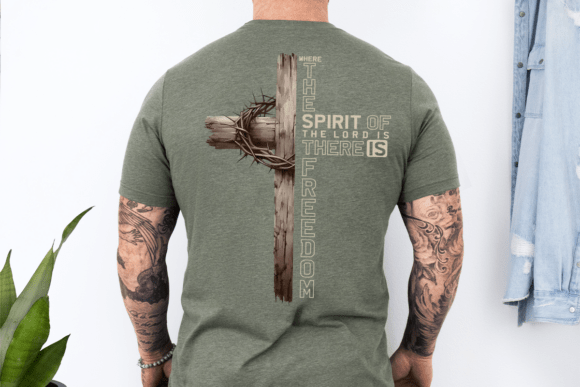
Where the Spirit of the Lord is There is: A Designer's Guide to Sacred Typography
There is a specific kind of visual language required when the message itself is the focal point. It requires a typeface that commands respect but doesn't scream for attention, one that feels eternal yet fits into modern layouts. If you have been scrolling through endless font libraries trying to find that balance between historical significance and clean design, you have likely realized how rare that combination is. The "Where the Spirit of the Lord is There is" font collection enters the creative space not just as a set of letters, but as a bridge between deep-rooted tradition and contemporary graphic design. It offers a solution for designers and creators who need their typography to carry weight and meaning without sacrificing legibility or aesthetic appeal.
This typeface is more than just a decorative asset; it is a tool for storytelling. In a marketplace saturated with minimalist sans-serifs and playful scripts, this font brings a distinct personality that draws from classic letterforms. It possesses an elegance that feels appropriate for solemn occasions, yet it is versatile enough to be adapted for celebratory designs. For the creative professional, this opens up a wide array of possibilities. Whether you are a small business owner creating a brand identity for a faith-based product, or a graphic designer working on editorial layouts, understanding the nuances of this font will help you utilize it effectively.
Visual Character and Design Personality
When we look at the visual anatomy of this typeface, we see a careful blend of tradition and readability. It likely draws inspiration from classic serif structures or perhaps refined script styles, depending on the specific cut, but it modernizes them for current screen resolutions and print clarity. The charm of this font lies in its ability to evoke a sense of history. It feels grounded and established, which is crucial when you are trying to build trust with an audience. A font like this communicates stability and sincerity before the reader even processes the words themselves.
However, a vintage aesthetic often runs the risk of looking dated. The key to the "Where the Spirit of the Lord is There is" design is that it balances heritage with clarity. The letterforms are likely designed with sufficient x-heights and open counters to ensure they remain legible even at smaller sizes or on low-resolution screens. This makes it a premium font choice because it solves a common design problem: how to look historic without looking archaic. It is a typeface that commands attention through its structure, offering a sophisticated alternative to standard serif fonts or generic script fonts.
Practical Applications for Modern Creators
The versatility of a well-designed typeface is measured by its adaptability across different media. This font excels in environments where text needs to carry emotional resonance. Consider the realm of logo design. A logo sets the tone for an entire brand, and using a typeface with this level of character can instantly position a brand as thoughtful and intentional. It works beautifully for ministries, counseling services, non-profits, or boutique lifestyle brands that want to convey a message of hope and integrity.
Beyond logos, consider the impact on packaging design. In a retail environment, the shelf appeal of a product is paramount. This font can be used to create elegant headers on product labels, especially for artisanal goods, books, or wellness products. The visual weight of the letters suggests quality and care, which influences a customer's perception of the product inside the package. It pairs exceptionally well with clean sans-serif fonts for body text, creating a hierarchy that guides the eye naturally from the brand name to the product details.
For those in the digital space, social media graphics and web design present unique challenges. Social feeds are fast-moving, and a post needs to stop the scroll. The distinct silhouette of this font can serve as a powerful visual hook. It is perfect for quote graphics, announcement headers, and promotional banners. On a website, it can be used for hero section headlines or pull quotes in editorial design layouts. The key is to use it strategically; because it is a display font, it shines brightest when used for headlines or short phrases rather than long blocks of body copy.
Enhancing Brand Identity and Professional Presentation
One of the most significant challenges in branding is consistency. A brand needs to look and feel the same across every touchpoint, from a business card to a billboard. Utilizing a comprehensive typeface like this allows for that visual consistency. When you integrate "Where the Spirit of the Lord is There is" into your brand guidelines, you are choosing a voice that is recognizable. Over time, your audience will begin to associate that specific typographic style with your content, which significantly boosts brand recognition.
Professional presentation is another critical factor. In the world of marketing assets and digital products, the perceived value of your offering is often tied to the quality of the design. A poorly chosen font can make a PDF look amateurish, while a high-quality typeface elevates the entire document. This is particularly true for print materials such as brochures, flyers, and annual reports. The crispness of the vector lines ensures that whether the text is printed on textured cardstock or viewed on a high-definition retina display, it retains its sharpness and elegance.
Furthermore, the emotional connection cannot be ignored. Typography has the power to evoke feelings. This font, with its connotations of spirit and presence, creates an atmosphere of reverence and sincerity. For content creators and bloggers, this can lead to higher audience engagement. When the visual presentation matches the emotional tone of the content, readers are more likely to stay on the page, absorb the message, and share it with others. It is a subtle psychological trigger that good designers understand and leverage.
Strategic Pairing and Implementation Tips
To get the most out of this typeface, you need to think about font pairing. Because this font has a strong personality, it requires a partner that complements rather than competes. A classic approach is to pair it with a neutral, geometric sans-serif font like Montserrat, Lato, or Open Sans. The clean lines of the sans-serif will provide a modern counterpoint to the decorative nature of the headline font, ensuring the layout feels balanced and readable.
Another effective strategy is pairing it with a clean handwritten font for a more personal, artisanal feel. This works well for wedding invitations, greeting cards, and lifestyle branding. However, be cautious not to pair two highly stylized fonts together, as this can create visual chaos. The rule of thumb is: if the headline is complex, the body text should be simple.
Before finalizing your design, always test for readability. While the font is designed for clarity, extreme sizes or low-contrast color combinations can still hinder legibility. Test your designs on multiple devices and print a physical proof if possible. Review the included font styles—does the family include bold or italic variations? These are essential for creating emphasis and hierarchy within your text without breaking the visual flow of the typeface. Finally, always double-check the commercial licensing to ensure your specific usage—whether for client work, merchandise, or digital downloads—is fully covered. This attention to detail ensures that your creative process remains smooth and professional from concept to completion.
Ultimately, choosing a typeface is about finding the right voice for your message. With its blend of dignity, clarity, and versatility, this font provides a robust foundation for a wide range of creative projects. It empowers you to create designs that are not only visually striking but also deeply resonant.