The Soft Elegance of a Pink and White Floral Bouquet
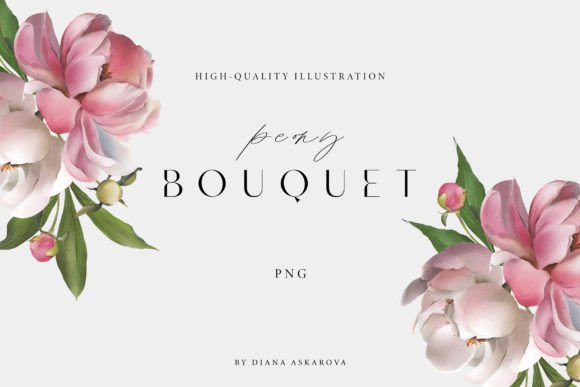
There’s something about a hand-painted watercolor bouquet that instantly adds a layer of softness and sophistication to any project. It feels personal, almost like a handwritten note, yet carries the weight of professional artistry. This particular pink and white floral bouquet, rendered as a transparent PNG, captures that delicate balance perfectly. It’s not just a graphic; it’s a mood setter, a storyteller, and a versatile design asset that can bridge the gap between digital and physical projects with surprising grace.
Why This Bouquet Works So Well
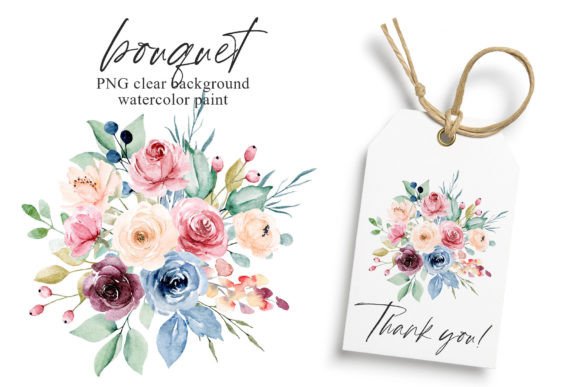
The magic lies in its composition and color palette. The soft pinks of the peonies aren’t just "pink"—they have the subtle, layered washes of real watercolor, with lighter and darker areas that give each petal dimension. The white elements, likely smaller blossoms or peony buds, provide a bright, clean counterpoint that prevents the design from feeling too heavy. Interspersed with lush, naturalistic green leaves, the bouquet has movement and life. It feels organic, not overly stylized or vector-perfect, which is a key part of its appeal. This organic quality makes it feel more authentic and less like a generic clipart, allowing it to blend seamlessly into designs that prioritize a human touch.
The technical specs are just as important as the aesthetics. At 300 dpi and a generous 2330 x 3414 pixel resolution, this file is built for real-world application. The high resolution means it won’t pixelate when you scale it for a large poster or a high-quality print. The transparent background is a game-changer for layering. You can place it over any color, texture, or photograph without a distracting white box around it, integrating it directly into your layout. This makes it incredibly practical for both digital designers and those working in print.
From Screen to Stationery: Practical Applications
So, where does a design asset like this truly shine? Its versatility is its greatest strength. Think of it as the floral equivalent of a perfect serif font—it has inherent style but adapts to its context.
For branding and packaging, this bouquet can become a cornerstone element. A small business selling artisanal soaps, candles, or skincare could use it on labels, boxes, and tissue paper to instantly communicate a natural, gentle, and premium product. It works beautifully for a wedding planner’s brand identity, on business cards, or as a signature element on a website’s header. The floral motif helps build immediate brand recognition and conveys a specific aesthetic—think romantic, elegant, or botanical.
In the realm of digital content and social media, it’s a lifesaver. Use it as a decorative border for Instagram stories, a background element for quote graphics, or a highlight cover icon. For bloggers, it can add a professional, cohesive touch to featured images or section dividers within a post. It helps create a visual language that readers subconsciously associate with your content, boosting engagement through consistent and appealing imagery.
The applications for print and invitations are perhaps the most obvious and impactful. This PNG is ideal for wedding suites—think save-the-dates, invitations, RSVP cards, and menu designs. It can add a delicate flourish to the corner of a thank-you card or serve as the central motif for a baby shower invitation. Beyond events, consider its use in editorial layouts for magazines or lookbooks, as a chapter opener in a self-published book, or as art for a high-end poster. The watercolor texture ensures it looks stunning in print, maintaining its handcrafted feel.
Integrating Florals into Your Design Workflow
Using a pre-designed element like this effectively requires a bit of strategy. The goal is enhancement, not overwhelm. Here’s how to make it work for you:
- Scale and Placement: Don’t just slap it in the center. Try using a smaller portion of the bouquet as a corner accent. Scale it down significantly to use as a repeating pattern or texture. Rotate it to change the flow of your design.
- Color Harmony: Pull colors from the bouquet itself to create a cohesive palette for your entire project. The soft pink, green, and white can guide your choices for background colors, text, and other graphic elements.
- Typography Pairing: This is crucial. The organic, soft nature of the watercolor pairs best with typefaces that complement its style. A elegant serif font (like a classic Garamond or a modern transitional serif) can create a beautiful, timeless look. A clean, minimalist sans-serif (like Helvetica Neue or Montserrat) provides a nice contrast, letting the floral element be the star while keeping the text highly readable. Avoid overly decorative or busy script fonts that might compete with the detail in the bouquet.
- Licensing and Use: Always check the licensing terms. For a commercial project—whether you’re selling a product, creating client work, or marketing your business—you need to ensure the asset comes with a license that covers commercial use. This is a non-negotiable step for professional designers and entrepreneurs.
Ultimately, a high-quality asset like this pink and white floral bouquet is about saving time without sacrificing quality or originality. It provides a professional, artistic foundation that you can build upon, ensuring your final design feels polished and intentional. Whether you’re crafting a brand identity from scratch, designing a wedding suite for a client, or simply elevating your social media presence, it offers a touch of hand-painted elegance that resonates with a wide audience. It’s a practical tool that helps translate a creative vision into a tangible, beautiful reality.