Master Your Timeline: The Ultimate 150 Page Wedding Day Binder Template
Imagine a wedding morning without the frantic search for the florist’s number or the caterer’s dietary restrictions. Picture a calm, organized space where every vendor knows exactly where to be and when. This level of serenity doesn’t happen by accident; it’s the result of meticulous planning, and the backbone of that plan is a comprehensive organizational tool. For brides, grooms, and professional coordinators, the difference between a stressful event and a seamless celebration often comes down to having the right information at your fingertips. That’s where a robust system transforms the chaos of coordinating a hundred moving parts into a harmonious, well-orchestrated day.
Why a Single Document Can’t Handle a Modern Wedding
Weddings have evolved. They are no longer simple ceremonies followed by a reception. Today, they are multi-day productions involving complex logistics, personalized touches, and numerous vendors. A basic checklist or a few notes in your phone simply won’t suffice. A dedicated, physical binder acts as the central command center. It holds the day’s narrative, from the first hair appointment to the last dance, in a tangible, easily navigable format. This isn’t just about avoiding mistakes; it’s about freeing up mental space so you can be fully present in each moment. A detailed wedding day binder template provides the structure to capture every critical detail, ensuring nothing falls through the cracks during the most important celebration of your life.
Deconstructing the 150-Page Advantage
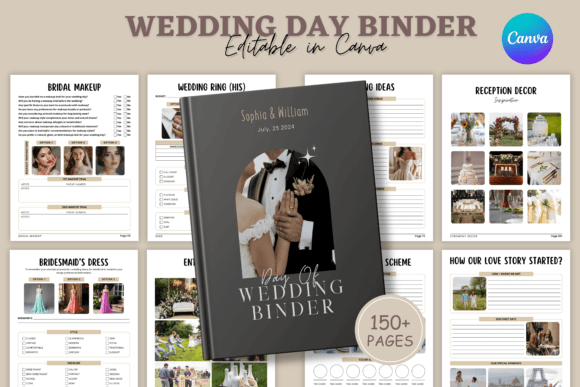
What exactly warrants 150 pages? It’s the depth required to cover every contingency. This isn’t a flimsy pamphlet; it’s an all-in-one wedding planner designed for real-world application. The pages are dedicated to creating a flawless flow, including:
- Detailed Wedding Itineraries: Minute-by-minute schedules for the wedding party, vendors, and key family members. This includes separate timelines for hair and makeup, photography, ceremony, and reception.
- Essential Wedding Day Information: A master contact sheet for every vendor (with primary and backup numbers), venue addresses with parking instructions, and setup diagrams.
- Guest Management: Seating chart placeholders, meal choice tracking, and a log for gifts received.
- Vendor Coordination Sheets: Dedicated pages for each vendor to note final confirmation details, load-in/out times, and specific instructions.
- Emergency Protocols: A plan for weather contingencies, key item checklists (rings, license, toast glasses), and a list of emergency contacts.
This level of detail is what separates a good wedding day from a great one. It’s the tool that allows a DIY bride to act like a professional coordinator and gives a hired planner the standardized system to execute flawlessly.
From Digital Template to Physical Command Center
The power of a modern template lies in its adaptability. A premium template, like the 150-page wedding day binder, often starts in a flexible, user-friendly platform like Canva. This means it’s not a static PDF. You can customize every element to match your wedding’s aesthetic and your specific needs. Change background colors to complement your theme, swap fonts to match your invitations, and add or remove text blocks to highlight what matters most to you. Once customized, it’s printed and assembled into a physical binder—your personalized wedding bible. This hybrid approach offers the best of both worlds: digital customization and analog reliability. On the day, when a phone battery might die or a Wi-Fi signal is weak, a physical binder is always accessible.
More Than a Planner: A Legacy Document
The utility of a meticulously maintained wedding binder extends far beyond the last dance. It becomes a cherished keepsake, a detailed record of the planning journey. But its practical value continues. For the wedding party, it’s a reference for future events. For the couple, it’s a masterclass in project management they can apply to future endeavors. For a professional wedding coordinator, a well-structured template like this becomes a core business asset. It’s a reusable framework that ensures consistency, elevates your service offering, and saves countless hours on each event. It’s a tool that pays for itself in reduced stress and enhanced professionalism, whether you’re planning your own day or someone else’s.
Choosing Your Organizational Blueprint
When selecting a wedding planning template, think like a designer choosing a typeface for a brand. It needs to be functional, aesthetically pleasing, and suited to the task. A script font might be beautiful for an invitation but disastrous for a contact sheet. Similarly, your organizational system must prioritize clarity and usability. Look for a template that offers logical sections, clean layouts, and ample space for notes. The goal is a tool that you’ll actually use—one that makes organization feel intuitive, not like a chore. A well-designed binder template reduces cognitive load, allowing you to focus on the joy of the process and the magic of the day itself.
Ultimately, the most beautiful wedding is the one you get to enjoy. By investing in a system that handles the logistics, you gift yourself the freedom to be a guest at your own celebration. You create the space to laugh, to cry happy tears, and to soak in every precious second. The structure provided by a comprehensive template isn’t restrictive; it’s liberating. It’s the foundation upon which unforgettable memories are built, ensuring your wedding day is not only beautiful to look at but also a profound joy to experience.