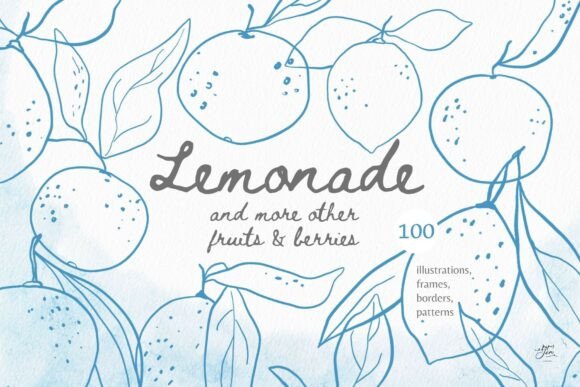
Lemonade: Fresh Fruit & Berry Line Art Cliparts
There’s something undeniably refreshing about a hand-drawn lemon or a delicate strawberry sketch. These small, organic details can instantly soften a digital layout, add warmth to branding, and make a product feel more personal. If you’ve been searching for that perfect blend of whimsy and sophistication to elevate your creative work, the “Lemonade” collection of fruit and berry line art cliparts might be exactly what you need. This set of 100 hand-drawn illustrations brings a fresh, citrus-inspired charm to any project, offering designers, entrepreneurs, and crafters a versatile toolkit for creating visuals that feel both elegant and approachable.
Why Line Art Cliparts Work for Modern Branding
Line art has a timeless quality. It’s minimal, clean, and carries a sense of intentionality—every stroke matters. In a world saturated with bold graphics and complex visuals, simple line drawings can stand out precisely because they don’t try too hard. The “Lemonade” clipart set taps into this aesthetic beautifully. Each illustration—from lemons and oranges to pears, cherries, figs, and pomegranates—is rendered with delicate, hand-drawn lines that feel organic yet polished.
This style works exceptionally well for brands that want to communicate freshness, natural ingredients, artisanal quality, or a vintage-inspired vibe. Think about a juice bar logo, a bakery’s packaging, or a wellness brand’s social media graphics. Line art illustrations can be scaled, recolored, and adapted without losing their clarity, making them incredibly flexible for both print and digital applications. The transparent backgrounds and high-resolution PNG files ensure they integrate seamlessly into any design, whether you’re working in Adobe Illustrator, Photoshop, or Canva.
Practical Applications for Designers and Entrepreneurs
The real value of a well-curated clipart pack lies in its versatility. “Lemonade” isn’t just for one type of project—it’s designed to support a wide range of creative needs. Here’s how you might use these illustrations across different contexts:
- Logo and Brand Identity: A single lemon or strawberry icon can become the cornerstone of a memorable logo. Pair it with a clean sans-serif font for a modern look, or a handwritten script for something more playful.
- Packaging Design: Whether you’re designing labels for homemade jams, cosmetic products, or artisanal goods, these illustrations add a handcrafted touch that resonates with customers.
- Wedding Stationery: Invitations, menus, and place cards featuring delicate fruit motifs can create a cohesive, elegant theme for summer or garden weddings.
- Social Media Graphics: Consistent visual branding is key on platforms like Instagram. Use these cliparts to create styled posts, stories, or highlight covers that feel curated and professional.
- Digital Products and Printables: From planner stickers to Canva templates, these illustrations can enhance the appeal of digital downloads, making them more attractive to buyers.
- Editorial and Blog Design: Food bloggers, lifestyle magazines, and recipe sites can use these graphics to break up text, illustrate concepts, or add visual interest to articles.
Because the files are delivered in both PNG and PSD formats, you have the flexibility to edit layers, adjust colors, or combine elements to create something entirely new. The 300 DPI resolution ensures that prints remain crisp, whether you’re producing small stickers or large posters.
Enhancing Visual Consistency and Brand Recognition
One of the biggest challenges in design is maintaining a consistent visual language across multiple touchpoints. When you use a cohesive set of illustrations—like those in the “Lemonade” pack—you create an instant visual shorthand that audiences can recognize and associate with your brand. This consistency builds trust and professionalism, two qualities that are especially important for small businesses and independent creators.
Imagine a food brand that uses the same lemon and herb illustrations on its website, packaging, and Instagram feed. Over time, customers begin to associate those visuals with the brand’s identity—even before reading the name. That’s the power of thoughtful, consistent design. It’s not just about looking good; it’s about creating a memorable experience that reinforces your message.
Tips for Integrating Clipart into Your Design Workflow
Working with clipart is straightforward, but a few best practices can help you get the most out of these assets:
- Start with a Color Palette: Before diving in, choose a color scheme that aligns with your brand or project. You can easily recolor the line art in most design software to match your palette.
- Layer Thoughtfully: Use the transparent PNGs to layer illustrations over backgrounds, textures, or photos. Experiment with opacity and blending modes for subtle effects.
- Pair with Complementary Typography: Line art pairs well with both serif and sans-serif fonts. For a modern look, try a clean sans-serif; for something more traditional or elegant, opt for a serif typeface. Handwritten fonts can also add a personal touch.
- Create Patterns and Repeat Designs: The included pattern files are a great starting point, but you can also build your own using individual elements. This is perfect for creating custom wrapping paper, fabric prints, or website backgrounds.
- Use Sparingly for Maximum Impact: Sometimes, less is more. A single, well-placed illustration can be more effective than a cluttered arrangement. Focus on balance and whitespace.
Licensing and Commercial Use Considerations
Before using any design asset in commercial projects, it’s important to understand the licensing terms. The “Lemonade” clipart set is typically offered with a commercial license, allowing you to use the illustrations in products you sell, client work, and marketing materials. However, always review the specific license details provided by the creator to ensure compliance, especially if you plan to use the assets in print-on-demand products or mass-produced items.
For designers working with clients, having a reliable set of commercial-use assets can save time and reduce legal headaches. It also allows you to offer more value, as you can incorporate these illustrations into branding packages, social media templates, or custom stationery designs without worrying about copyright issues.
Bringing It All Together
The “Lemonade” fruit and berry line art clipart collection is more than just a set of pretty pictures—it’s a versatile design tool that can help you tell a visual story. Whether you’re building a brand from scratch, refreshing your marketing materials, or adding a personal touch to a creative project, these illustrations offer a blend of charm and professionalism that’s hard to resist. The key is to use them intentionally, aligning each element with your broader design goals and audience expectations.
In a digital landscape where authenticity and craftsmanship are increasingly valued, hand-drawn details like these can make your work feel more human, more connected, and more memorable. So go ahead, squeeze some creativity into your next project—and see where a little citrus charm can take you.